
The Executive Summary
Most agencies over-engineer startups. They build a Ferrari when the founder just needs a skateboard to test if the road exists.
Through our partnership with Sqale, a Venture Builder based in Lausanne, Switzerland, we have refined a different approach: The Lean Build.
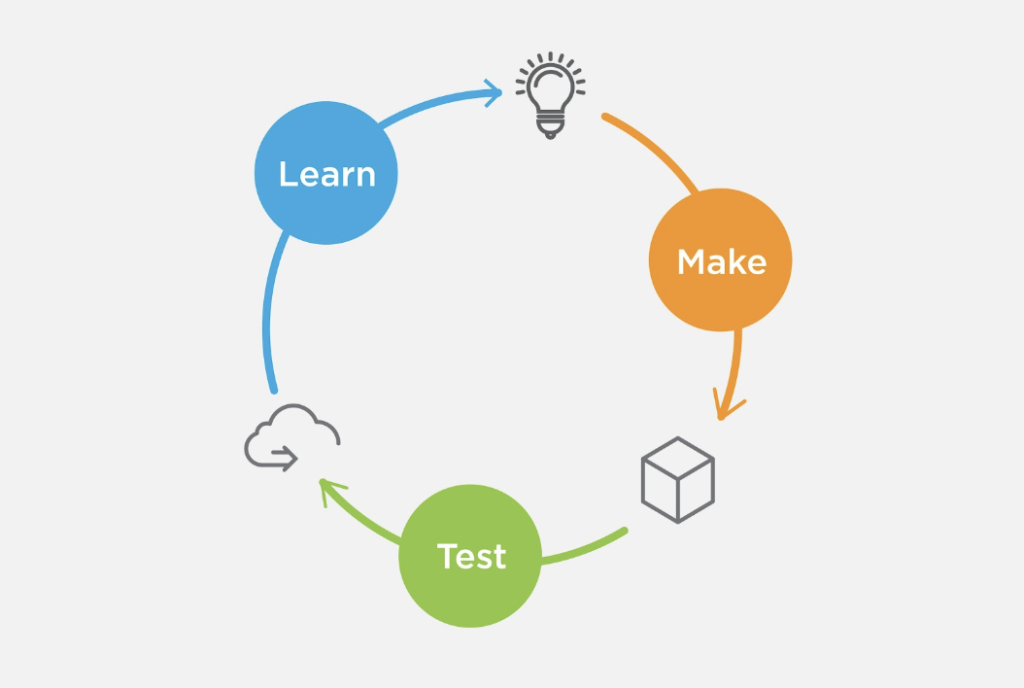
Instead of six-month “Waterfall” developments, we ship functional MVPs (Minimum Viable Products) in weeks, designed specifically to validate business hypotheses. Here is how we applied this methodology to three distinct Swiss startups—Karafe, Zuqini, and Apolo—to move them from “Slide Deck” to “Growth Stage.”
1. The Philosophy: “Code as a Validation Tool”
In the venture world, code is a liability, not an asset, until it proves a market need. Our engineering mandate for the Sqale portfolio was simple: Build only what is needed to get the next data point.
2. Case Study A: Karafe (E-Commerce Validation)
The Challenge: Karafe needed to prove that a premium Swiss wine marketplace could compete on “Data Hygiene” and “UX” rather than just price.
- The Lean Solution: We didn’t build a custom Magento beast. We launched a lightweight, headless e-commerce pilot focused entirely on the Post-Purchase Flow.
- The “Growth Ops” Pivot: Once the MVP proved users were buying, we shifted engineering resources to retention—building automated data hygiene scripts that cleaned up customer logs to feed a “Growth Ops” engine.
- Result: Karafe moved from a pilot to a funded growth-stage startup because the tech stack evolved with the revenue.
3. Case Study B: Zuqini (The Marketplace Logic)
The Challenge: Building a two-sided marketplace (Buyers vs. Sellers) is notoriously difficult because of the “Chicken and Egg” problem.
- The Lean Solution: We faked the automation. The initial build focused on a high-fidelity frontend for buyers, while the “backend” was largely manual operations (managed by our team).
- Why it worked: This saved €50k in development costs. We only automated the supply chain after the transaction volume justified the engineering hours.
4. Case Study C: Apolo (The Data Play)
The Challenge: Apolo required complex data visualization for its users.
- The Lean Solution: Instead of building a custom D3.js library from scratch, we integrated off-the-shelf visualization tools wrapped in a custom authentication layer.
- Result: Time-to-market was cut by 60%. We delivered “Enterprise Grade” visuals on a “Seed Round” budget.
5. The “Swiss Quality” Standard
Working with Sqale meant that “Lean” could not mean “Buggy.” Swiss users have zero tolerance for broken forms or slow loads.
- The Balance: We achieved speed not by writing bad code, but by reducing scope. We build fewer features, but the features we do build are bulletproof, secure, and ready to scale.
Why OpenMind?
We respect the code that pays the bills. Our architecture allows mature businesses to innovate on the frontend today, while safely maintaining the backend systems that have worked for a decade.
